Galacto-What? The 10 Days That Rewrote Our Postpartum Plan
This part of my motherhood journey has yet to be told. It’s the one early postpartum challenge we faced that, once I could finally breathe again, I buried deep so I could focus solely on my new baby.
Our labor had been far from textbook, but our home birth was positively beautiful. In the quiet hours after he arrived, life moved both impossibly fast and remarkably slow. One moment you're laboring, and the next, your son is in your arms right in your own home. You look at each other with high emotions and low energy, thinking, Are you sure we’re doing this right?
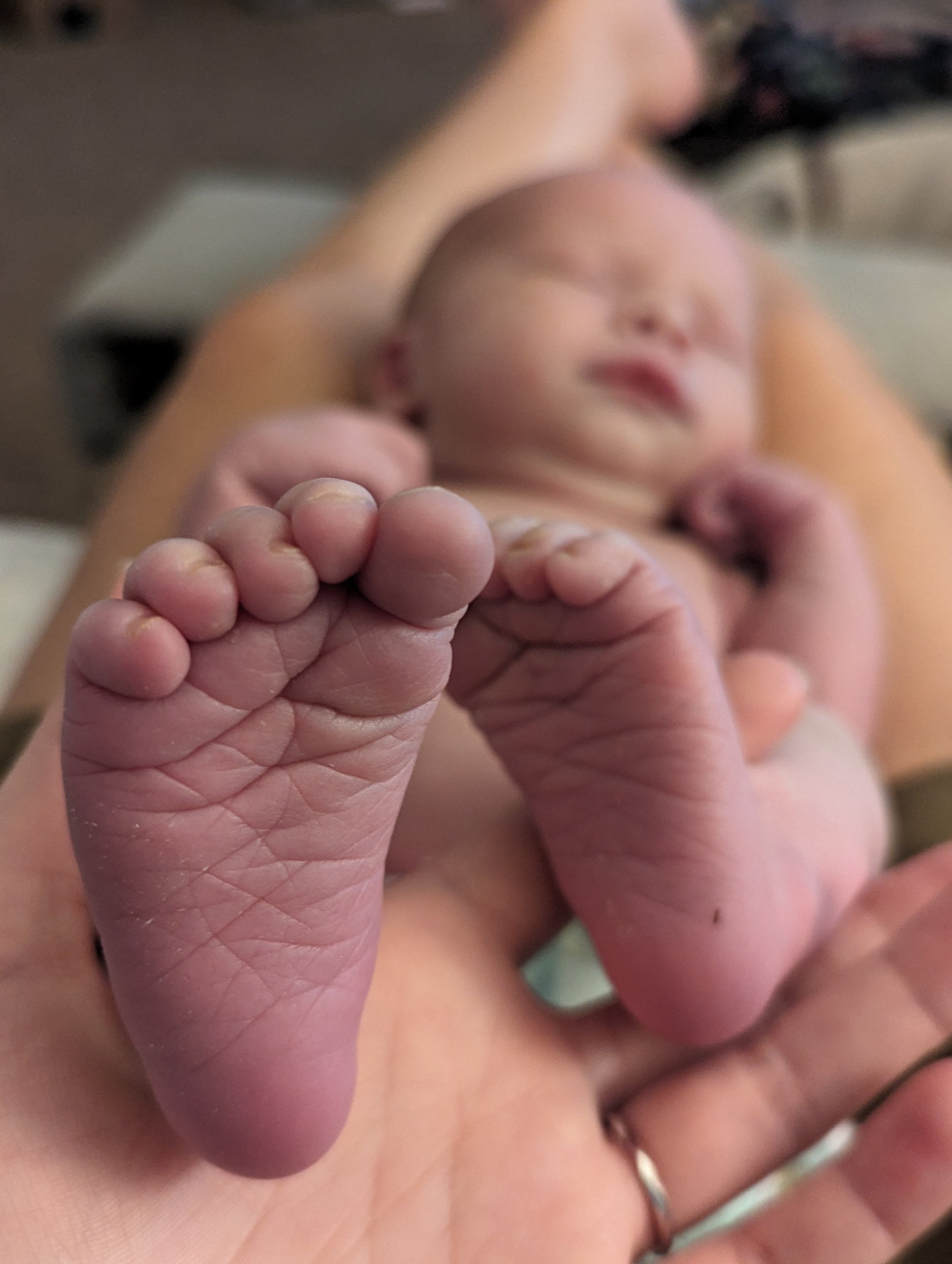
By 24 hours postpartum, our midwives came by for a visit. Both my son and I were healthy, and we seemed to be a strong, natural breastfeeding dyad. Becoming a mom had always been my dream, and nursing my baby was a massive goal of mine. During that visit, my husband and I agreed to the routine newborn metabolic screening. In Minnesota, it checks for over 60 conditions, all of which have a treatment plan if a diagnosis is made.
Having worked as a CNA in a postpartum unit, I knew the test well on paper. But watching a midwife perform a heel poke on your own hours-old newborn is entirely different. It wasn't fun, but she was efficient, and it was over quickly. Little safety nets, routine checks—no big deal.
Until Friday late afternoon.
Our son was born on Monday afternoon, and the metabolic blood test was collected Tuesday evening. On Friday, right as the weekend was closing in, the midwife called.
I picked up, thinking she was checking in, or maybe a piece of paperwork was missed. But as the call went on, my tone shifted into panic. My husband, sitting right next to me holding our precious bundle of joy, felt the alarm rise before he even knew what was happening.
The test had come back flagged for galactosemia.
Our midwife admitted this was a first for her, but the instruction was immediate and non-negotiable: Breastfeeding has to stop right now until an official diagnosis is made.
My husband’s mind raced:
"Wait, what do you mean? What is that? Galacto... what?!"A frantic search on the phone brought up the medical definition.
Galactosemia: A rare, inherited genetic disorder that stops the body from breaking down galactose, a simple sugar found in milk.
What does that actually mean for a newborn? It isn't just an upset stomach or a mild allergy. When untreated, toxic byproducts build up in the blood and organs, causing life-threatening damage to the liver, kidneys, eyes, and brain. The very milk built to nourish him could cause cataracts, brain damage, or worse. It is a lifelong condition with no cure.
To say we were devastated is an understatement.
The tears hit instantly, anxieties sent hearts racing, and my mind froze completely.
Because it was late Friday afternoon, specialty clinics and labs were closed until Monday morning. Taking a five-day-old baby to a germ-infested ER wasn't going to speed up genetic lab work. So, our very first family outing was a surreal, heartbreaking trip to Target to buy soy formula.
Formula—especially a random soy formula chosen in a panic without research—was never part of my postpartum plan. Sitting in the aisle, overwhelmed and frozen, my husband stepped in to make decisions when I simply couldn't.
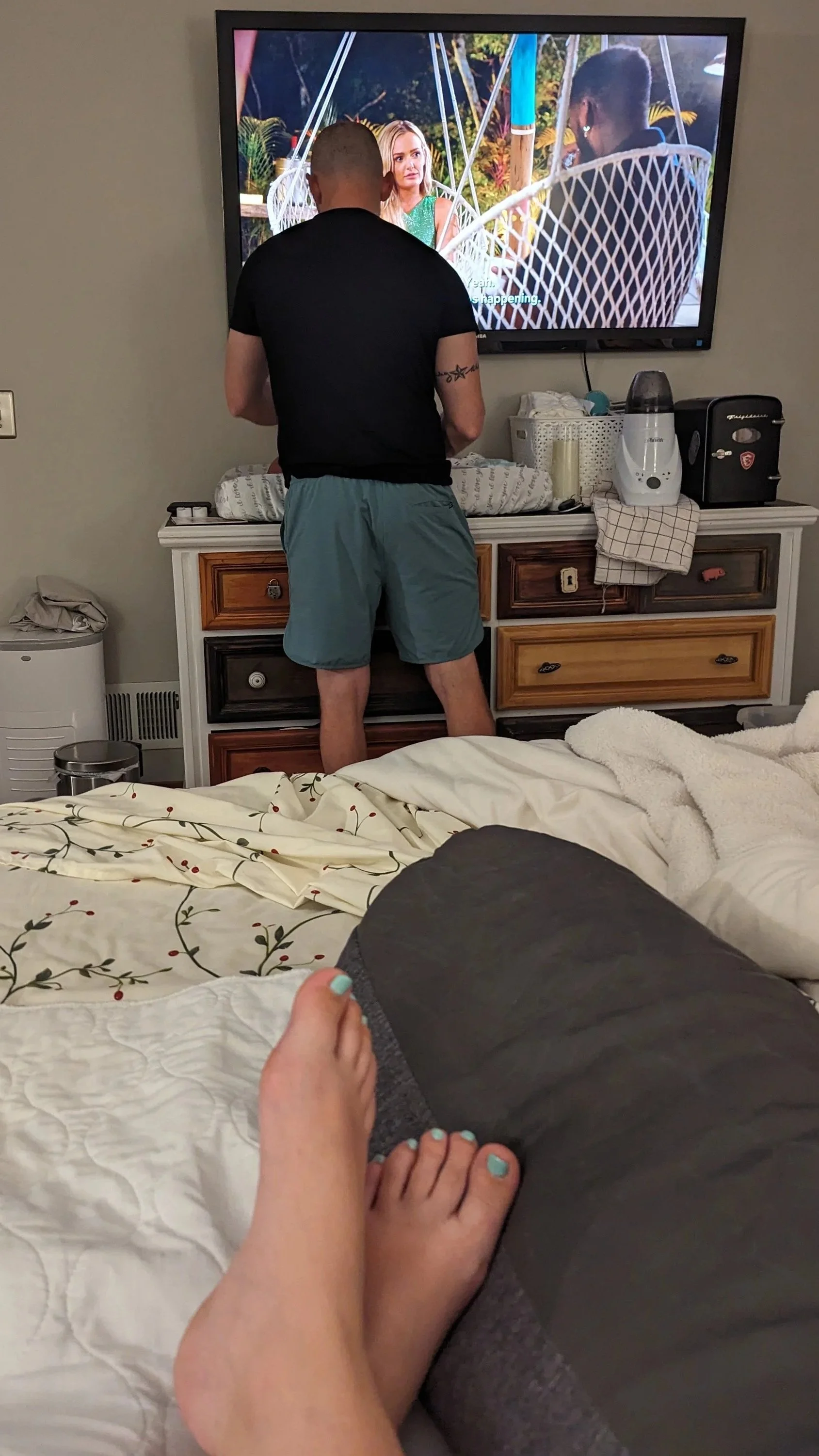
That weekend was a blur of denial, second-guessing, constant worry, crying, and complete shock. My husband dove deep into the internet, trying to reason the results away. We were desperately searching for any logical explanation to make ourselves feel better and hold onto hope. That's when we learned that extreme Minnesota humidity in mid-June could potentially create false positives if blood cards weren't stored properly. We clung to that idea like a lifeline. It has to be a false positive.
When Monday morning came, we strapped our one-week-old peanut into his car seat and drove to the specialty clinic for lab work and to speak with a specialist and genetic counselor. Subjecting our tiny baby to another painful needle draw was gut-wrenching, but we wanted answers.
During the appointment, the specialist mentioned that our card had been collected properly and wasn't mishandled at all. They even shared that another family was going through a similar diagnosis at that very same time. They offered us the option of genetic testing for ourselves to better understand the diagnosis and plan for the future of our family.
Then came the hardest pill to swallow:
"We'll send these to the lab, and we should have full answers within a month."
A MONTH!!
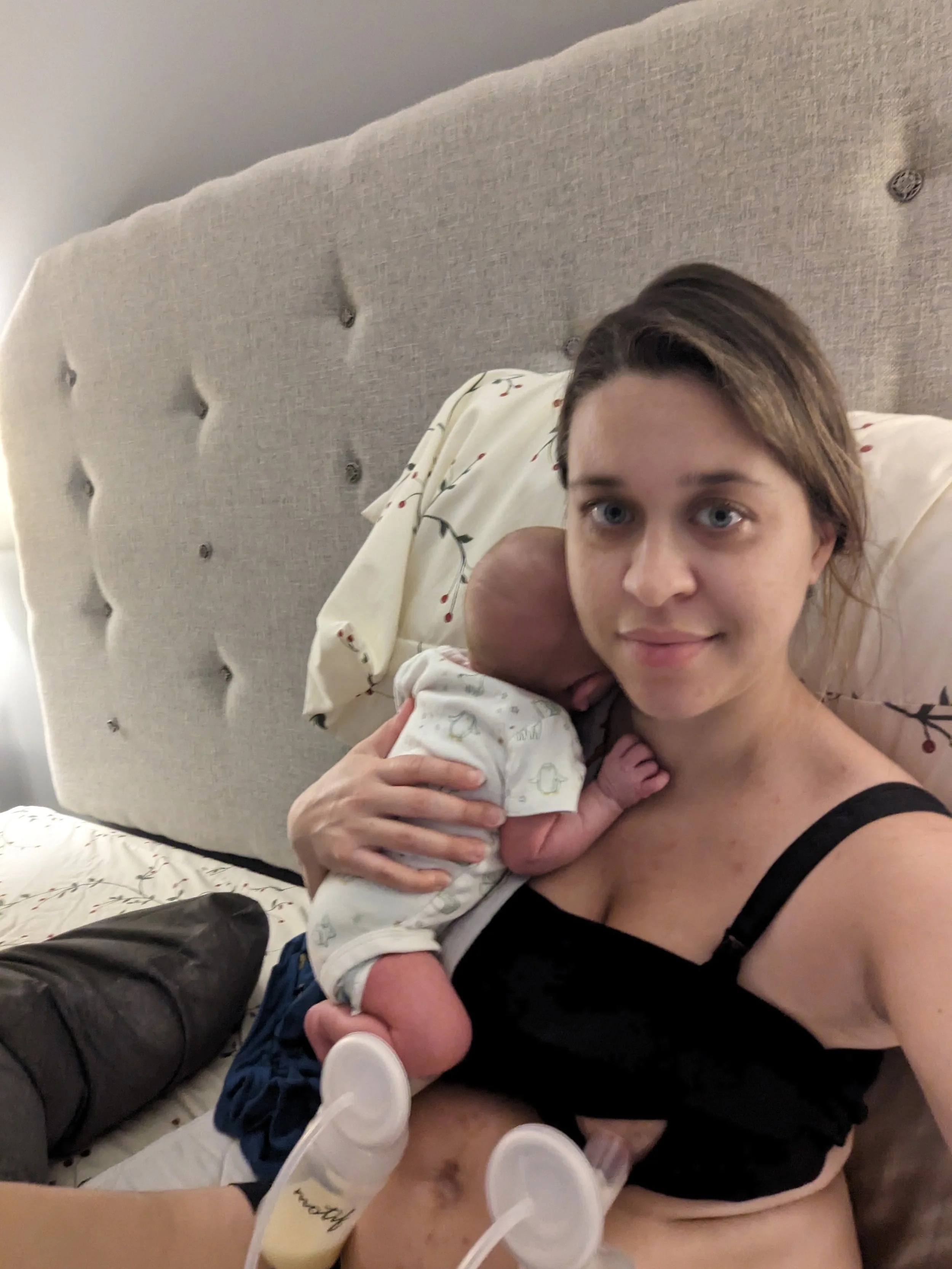
It felt like a physical blow. The specialists assured us our son looked healthy and showed no physical signs of galactosemia, but without lab confirmation, they could not give us the green light to put him back on the breast. To make matters worse, the main specialist was going on vacation, so our case was being handed off to a colleague. They promised to try for preliminary answers by Thursday.¸
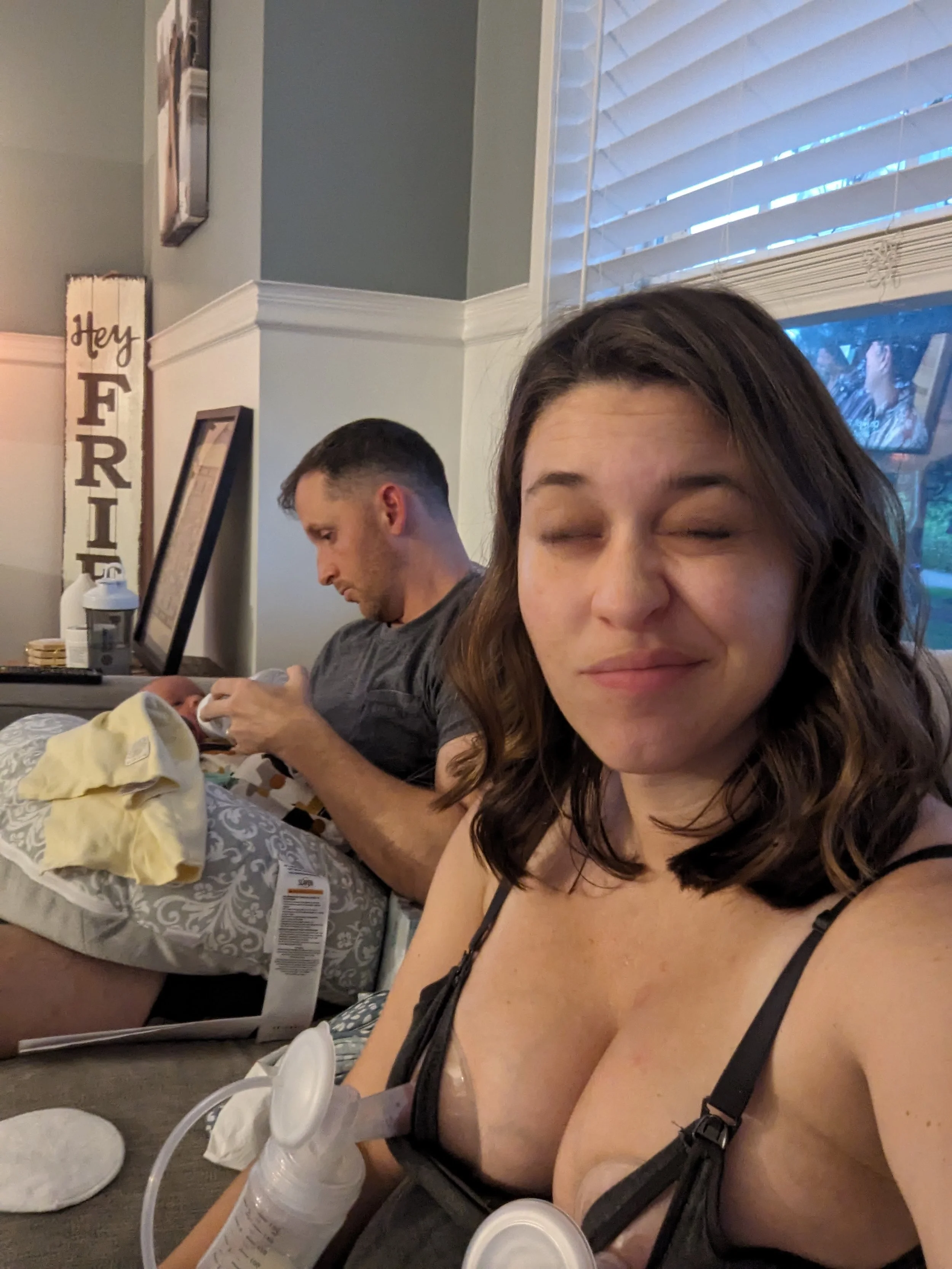
For nearly a full week, our life revolved around a relentless cycle: pump around the clock to protect my milk supply in case the test was a false positive or a different form than classic galactosemia, feed a bottle of formula, sanitize parts, soothe the baby, and repeat. We figured out a system, but every single session felt like a reminder of what was being withheld.
Then, on Thursday afternoon—right after we had just given him a bottle—the phone rang again.
The lab results were in.
The test did confirm galactosemia, but specifically the Duarte variant—a partial gene mutation that allows the body to process sugar well enough that breast milk is completely safe.
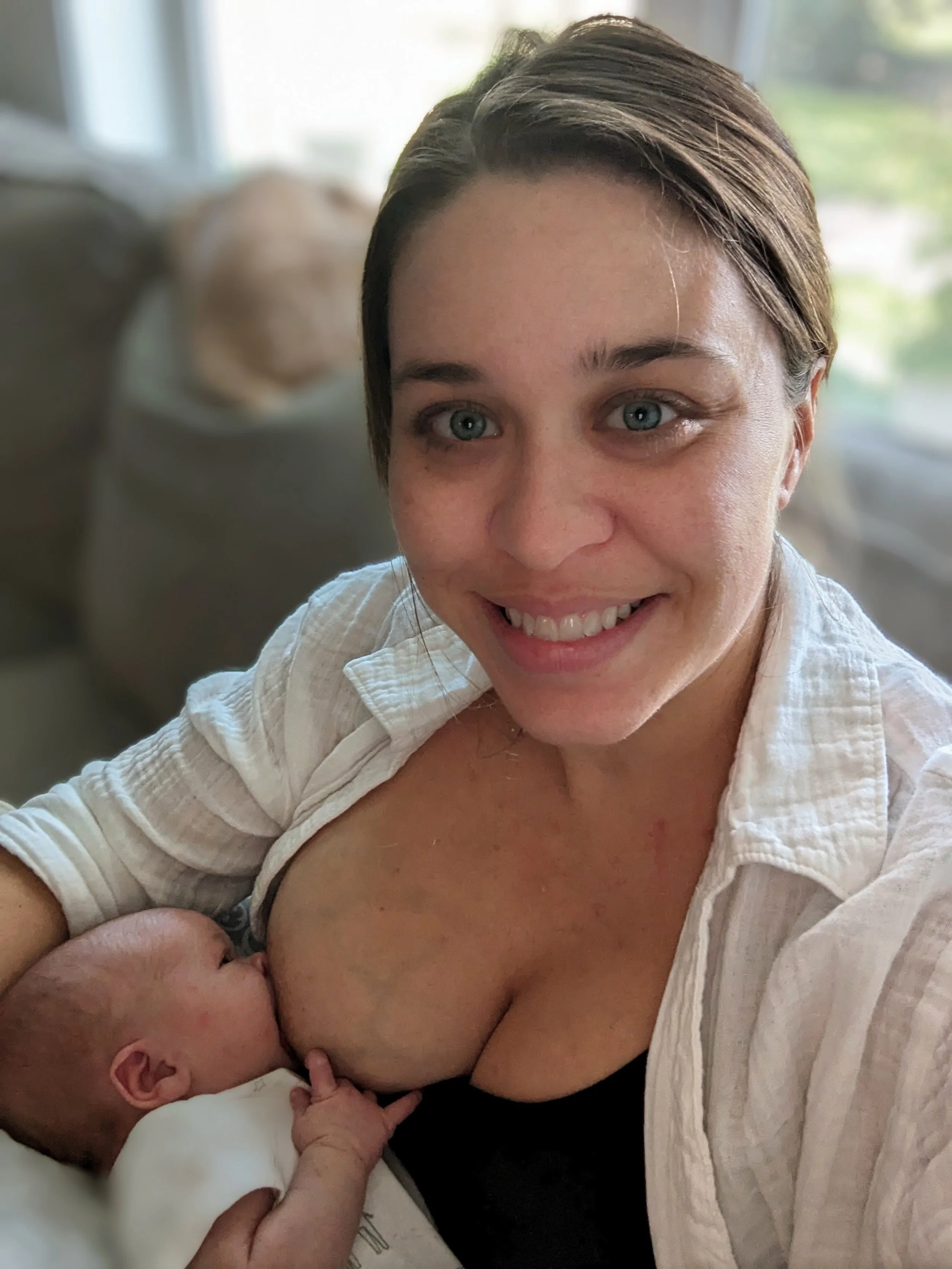
“You can breastfeed your baby.”
We had the doctor repeat it two or three times on that call just to hear the exact words clearly. We asked every follow-up question we could think of: Is it safe for him to nurse right now? What about cheese, yogurt, and dairy as he grows up?
The answer was yes to it all.
The relief was overwhelming. The heaviest weight lifted off our shoulders in a single instant.
At the very next feeding, I laid him down and offered the breast. He latched right on without a second of hesitation—as if a bottle had never been part of his story at all. Now, 26 months later, we are still going strong on our nursing journey.
A Note for Parents Navigating the Unexpected
Empathetically, we know that not every family gets this exact phone call or outcome, and our hearts hold space for every parent walking a harder road. No parent ever wants anything to be "wrong" with their baby, whether it's a minor bump, a scary screening result, or a lifelong diagnosis.
While this wasn't the early postpartum week we envisioned, we are deeply grateful for how our journey unfolded. It taught us how to lean on each other, how to advocate fiercely, and how to hold onto hope when everything feels completely out of our hands.
If you are sitting in that dark space right now—waiting on scary lab results, holding an unexpected diagnosis, or feeding your baby in a way you didn't plan for—please hear this: You are not alone, and you didn't just win the crap lottery.
Parenting will throw curveballs that shake your confidence to the core. What carries you through is leaning into informed consent, standing firm in your right to ask questions, and holding total confidence in the choices you make for your family—no matter what the path looks like.
