"Too Old?" Reflections at 26 Months of Toddler Nursing
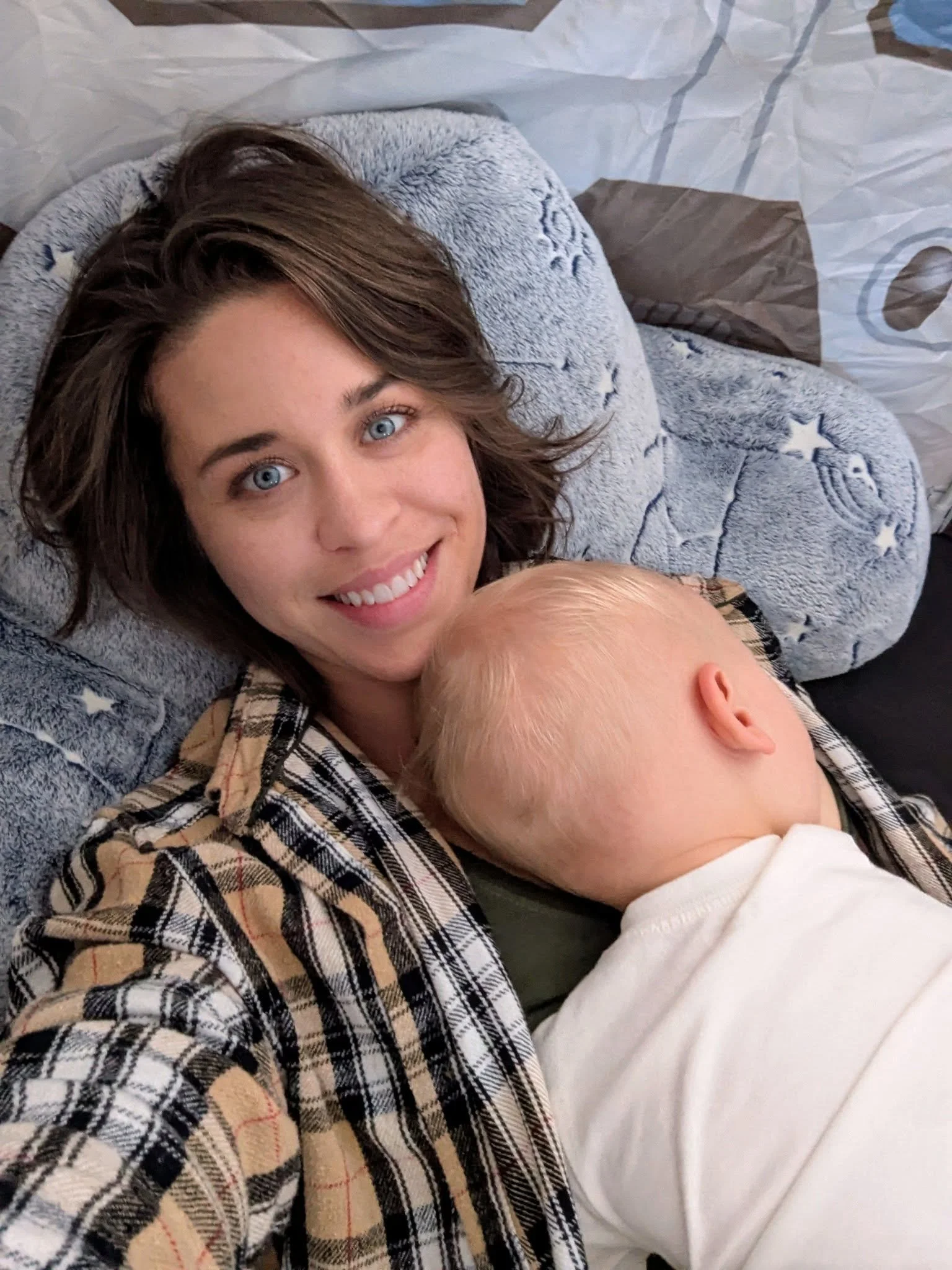
This week marks 26 months of our breastfeeding journey. While nursing sessions are slowly becoming shorter and fewer, I still can’t see an end in sight.
Our current days consist of nursing as we slowly wake up, occasionally after meals during storytime, and mostly during sleep routines at naptime and bedtime. Our nights are a bit all over the place because I’m rarely actually awake to comprehend what’s happening. I think our nights look like this: bedtime by 9:00 PM, a brief 5- to 10-minute nursing session anywhere from midnight to 2:00 AM, and then again in the wee morning hours as the sun is just starting to brighten the sky. That is on a good night. There are other nights that are just wild.
In fact, right after his second birthday, we went through a rough week of pure independence. It was a time when I knew I was ovulating, and I easily became touched out. He also had huge feelings and wanted to nurse constantly. Did he need it nutritionally? Not really. For my mental health, my husband had to tap in more than usual.
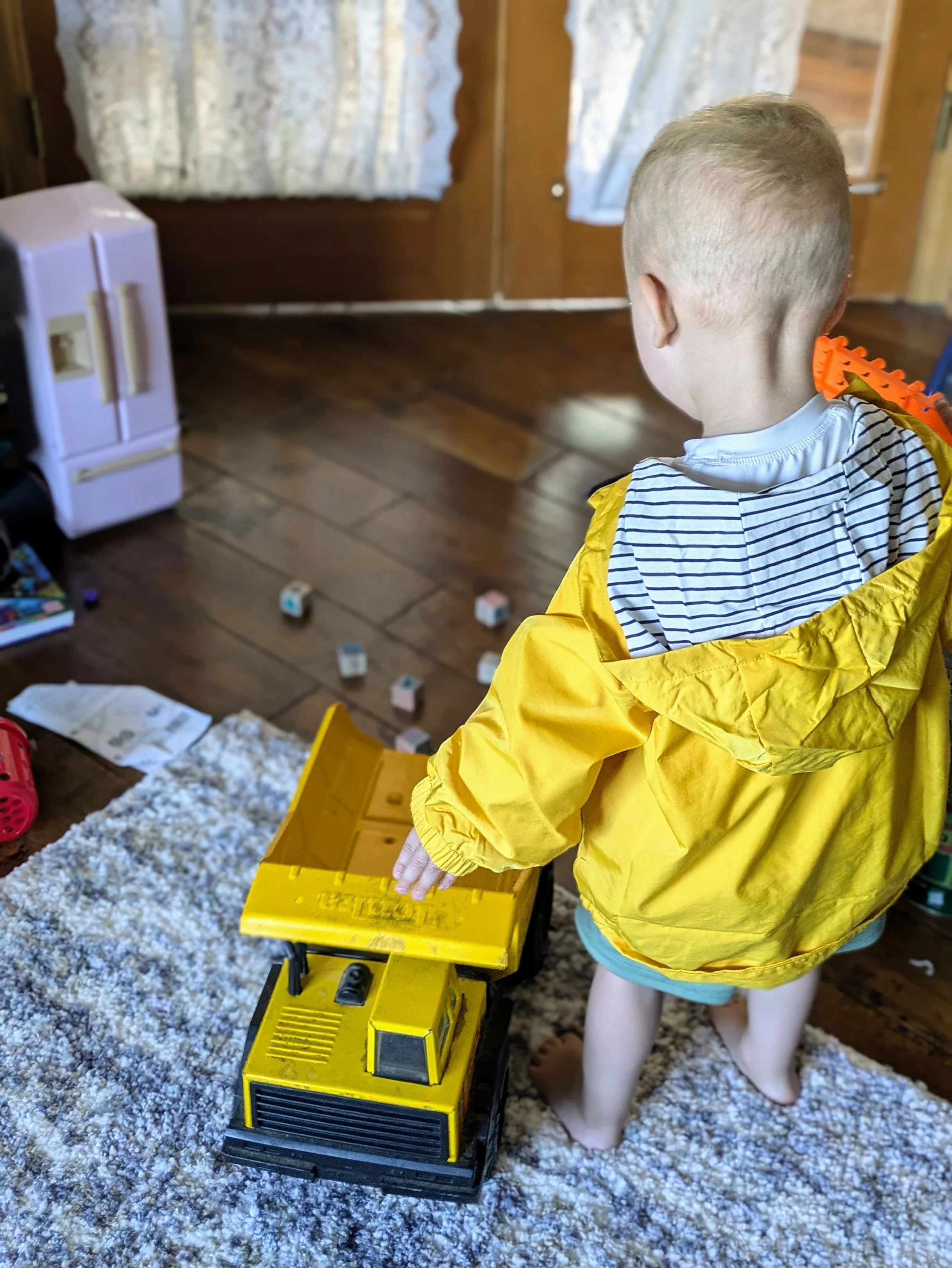
I had never been so tearful as a mother. My heart was being pulled in many directions. I wanted to comfort my baby, but I couldn't help the way I wanted because a two-year-old with a set mind is a milk monster all their own. I had to protect myself, too, because that was when he decided that biting was a way to show his frustrations—which I will leave to your imagination.
But we got through it.
In those moments, I definitely questioned if this was the end of our journey. I didn’t want it to end that way. I wanted it to end in a way that was calm and loving, ideally on my son's terms through natural self-weaning.
That reflection was brought to the surface recently when someone left a simple, dismissive comment on one of my videos: "Too old."
It made me pause. Because after everything we went through at four days postpartum—surviving a rare galactosemia scare, pumping around the clock, and fighting to protect my supply—hearing extended breastfeeding dismissed so casually stings. But culture and biology are telling two completely different stories.
What Science Actually Says About Year-Two Milk
The idea that breast milk loses its value after twelve months is widespread, but human biology tells a completely different story.
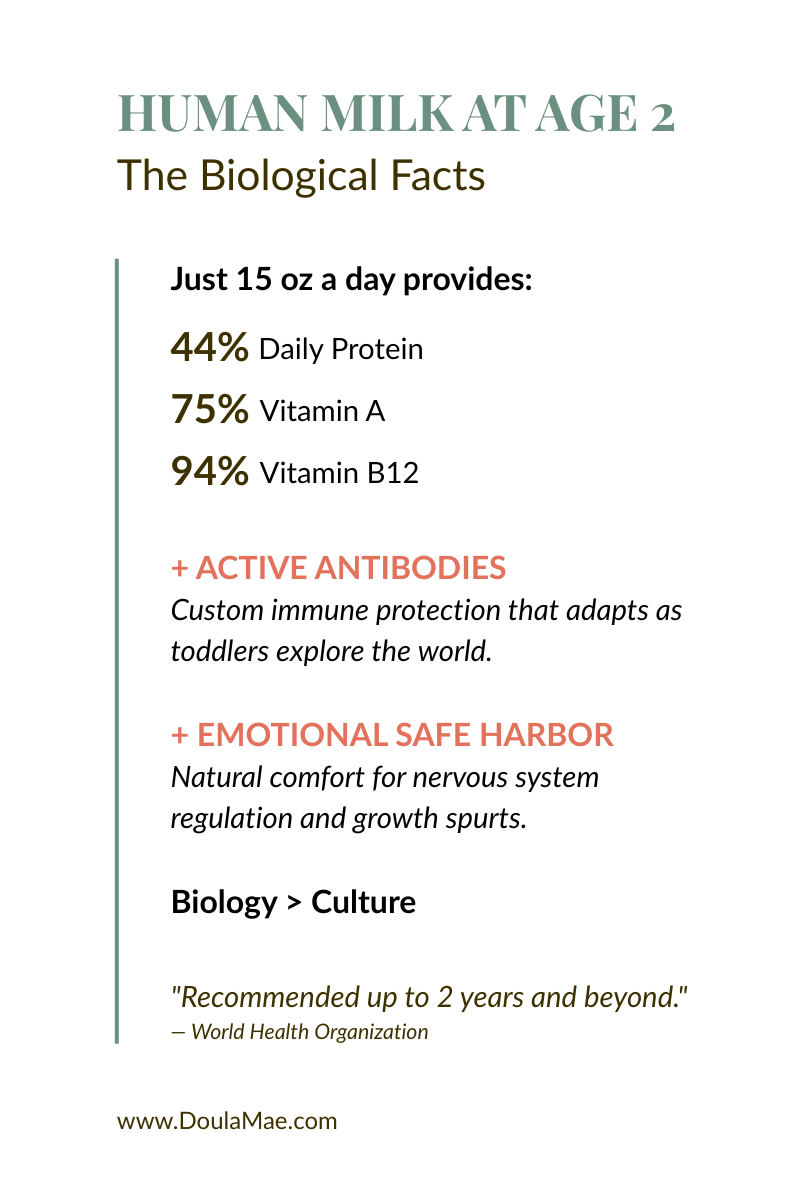
Major medical organizations such as the World Health Organization (WHO) recommend breastfeeding for up to 2 years and beyond, and the American Academy of Pediatrics (AAP) supports nursing for as long as mutually desired.
During year two, human milk doesn’t turn into water. It actually adapts to become more concentrated in fat, energy, and key components to fuel an active, exploring toddler:
The Nutrition: Just 15 ounces a day can provide 75% of daily Vitamin A needs, 94% of daily Vitamin B12 needs, and 60% of daily Vitamin C needs. It can supply up to 44% of their daily protein needs, acting as a crucial safety net while they learn to navigate solid foods.
Custom Immunity: A toddler’s immune system is still developing. Your body continues to send custom antibodies every single day, and research shows that key protective factors actually increase during the second year of breastfeeding.
More Than Food: Nursing a toddler isn't just about nutrition. It is a powerful tool for emotional regulation, providing instant comfort for scraped knees, teething pain, big tantrums, and feeling overwhelmed
I saw this firsthand just a couple of months before his second birthday. He had been unusually clingy, and I figured he was just hitting a growth spurt. He wasn't. He was sick. He acted fine until he suddenly put himself down for a nap much earlier than normal. When I woke him, he was fussy and hot, which quickly led to vomiting. My poor little guy felt terrible, so I did what I knew best: skin-to-skin in the ring sling and nursing. My milk kept him hydrated; we co-regulated, he was comforted, and within less than 24 hours, he was nearly 100 percent back to himself and able to keep food down.
Navigating Culture Norms Versus Biology
As a doula and a trained breastfeeding counselor, I am a passionate advocate for normal infant and toddler feeding. Honestly, I have rarely felt personally discouraged by the people immediately around me; rather, it is the unnecessary noise and judgment our culture creates that causes friction.
I’ve seen the comments, I’ve felt the quiet discomforts in public spaces, and I am always in awe of other moms being braver than I might feel in certain situations. Thankfully, I come from a family where breastfeeding was normalized; I work in a field surrounded by like-minded women, and my husband agrees 1,000 times over that breastfeeding is the best option for our family.
We don't need to subscribe to arbitrary timelines set by a culture that doesn't understand lactation biology.

Let's Talk About It
Whether you are navigating the thick of newborn cluster feeding, surviving toddler nursing gymnastics, or facing your own unsolicited comments from strangers, you are not alone.
I absolutely love hearing stories; this is not just a job for me- listening to the challenges and celebrating the wins, even the small ones. While I don't offer standalone breastfeeding support packages, I walk closely alongside my doula clients through all phases of prenatal, postpartum, and early family transitions, and we lean into these exact real-life topics inside our local motherhood circle.
Where are you at in your feeding journey right now? Drop a comment below and share your current milestones or your biggest toddler nursing realities!
